Narrow access removals common problems in Gloucester Road mews
Posted on 18/06/2026
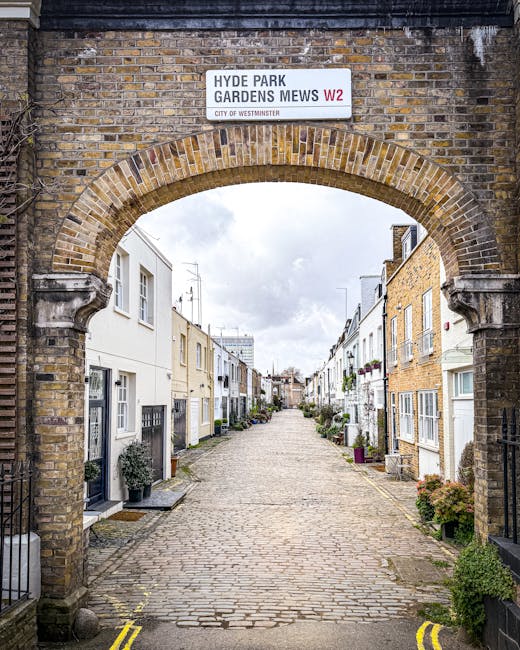
Gloucester Road mews homes can be charming, but let's face it, they can also be awkward when moving day arrives. Narrow lanes, tight turns, shared entrances, low overhangs, and limited parking all create narrow access removals common problems in Gloucester Road mews that catch people off guard. A move that looks straightforward on the calendar can become tricky the moment a removal van meets a hidden bollard, a neighbour's car, or a staircase that feels narrower than it did during the viewing.
This guide breaks down what usually goes wrong, why it matters, and how to handle it without turning the day into a scramble. You'll find practical steps, a sensible checklist, and the small planning details that make a big difference. If you're also comparing local moving support, it may help to browse removal companies in South Kensington and the wider services overview before you settle on a plan.
For many residents, the issue is not the distance of the move. It's the access. That single factor changes loading times, crew size, vehicle choice, and even whether a sofa will clear the corner by the front door. The good news? Most of these headaches are avoidable with a proper site check and a realistic moving plan.
Why Narrow access removals common problems in Gloucester Road mews Matters
Narrow access is more than an inconvenience. It affects the whole chain of the move. If a van cannot stop close enough to the property, carrying distances grow. If the turning space is tight, the wrong vehicle may waste time trying to manoeuvre. If stairs are steep or an entrance is shared, movers have to work more carefully, which slows everything down. That is the simple version, anyway.
In Gloucester Road mews, the layout often reflects older London property patterns: compact streets, heritage facades, limited off-street space, and residents who value quiet, tidy access. All of that is lovely day to day, but it can turn a removal into a logistics exercise. You are not just moving furniture. You are planning how to move it safely through a very constrained environment.
This matters for a few reasons:
- Time: tight access usually means slower loading and unloading.
- Cost: extra labour, parking pressure, and longer vehicle time can affect quotes.
- Safety: awkward carries raise the risk of slips, wall scuffs, and strained backs.
- Neighbour relations: mews streets are often close-knit, so blocking access can create friction quickly.
- Property protection: narrow hallways, painted banisters, and original finishes need careful handling.
One thing people often overlook is that narrow access is not only about the street outside. It includes the whole route from van to room: gate, path, doorway, staircase, landing, corridor, and sometimes a basement turn that seems designed by someone with a cruel streak. That chain matters. A problem at any single point can slow the entire move.
For local context and lifestyle planning around the wider area, some readers also like the practical advice in Kensington living recommendations from locals and SW7 removals tips for moves near South Kensington Station.
How Narrow access removals common problems in Gloucester Road mews Works
Good narrow access removals are built on preparation. The process usually starts with a walk-through, either in person or via clear photos and measurements. A competent mover will want to know not just what you are moving, but how the property is arranged. They will look at vehicle access, where the van can stop, whether there is loading space, and whether items need to be carried around corners or up stairs.
Here is the basic flow you should expect:
- Access review: check street width, gate width, staircases, and any restrictions on stopping.
- Item assessment: identify bulky or delicate pieces such as wardrobes, mattresses, mirrors, and white goods.
- Vehicle choice: select a van size that suits both the load and the road layout.
- Packing plan: use boxes and wrapping that make items easier to carry in narrow spaces.
- Loading sequence: place the heaviest and most awkward items first, with careful route planning.
- Protection: use blankets, door guards, and floor coverings where needed.
- Contingency: keep a backup plan for parking delays, neighbour access, or elevator issues if applicable.
The tricky part is that narrow access problems rarely appear one at a time. It's usually a combination. For example, a mews street may have just enough width for a van, but not enough turning room for a larger one. Or a flat may be on the first floor, but the stairwell has a sharp bend and low ceiling. The move is still doable, but only if the team has prepared for that exact route.
If you are comparing moving formats, it can help to understand the differences between man with van South Kensington, man and van South Kensington, and a larger removal van South Kensington option. The best choice depends on the access, not just the number of boxes.
Key Benefits and Practical Advantages
When narrow access is planned properly, the benefits are very real. You get less stress, fewer delays, and a much better chance of keeping walls, banisters, and furniture in good condition. That sounds obvious, but on moving day obvious things are the first to disappear.
- Fewer surprises: you know whether the van will fit before the crew arrives.
- Cleaner handling: protective wrapping and route planning reduce scrapes and dents.
- Faster decision-making: the team can work without constantly pausing to reassess access.
- Better item protection: awkward items can be dismantled or padded in advance.
- More accurate pricing: a clear access picture helps avoid last-minute extras.
There is also a quieter benefit: confidence. When you have thought through the access properly, the day feels manageable. You stop worrying about the van and start focusing on the move itself. That shift matters more than people expect.
For delicate or heavy belongings, narrow access planning becomes even more valuable. A piano, for instance, is not the sort of thing you want to improvise with. If that is part of your move, see piano removals South Kensington for the kind of specialist thinking that protects both the instrument and the property.
Who This Is For and When It Makes Sense
This topic is relevant to more people than you might think. It is not just for huge house moves with awkward sofas. Narrow access affects renters, homeowners, landlords, students, and office teams working in compact spaces. In Gloucester Road mews, the issue often appears in flats above ground floor level, converted houses, and properties with shared courtyards or constrained frontage.
It makes particular sense if you are:
- moving into or out of a mews property with limited street width;
- dealing with narrow stairs, a tight landing, or a small entrance hall;
- moving larger furniture such as beds, wardrobes, or desks;
- working to a fixed time window for building access or parking;
- trying to avoid disruption to neighbours or nearby vehicles;
- arranging a same-day move where there is less room for error.
A student move can be simple in theory, but even a small load can become awkward if the route is tight. Likewise, a home move that starts as a "just a few rooms" job can become much more complex when the sofa, dining table, and washing machine all need to come through a narrow passage. That is why many people in the area look at student removals South Kensington, house removals South Kensington, or even same day removals South Kensington depending on the pace and scale of the move.
Truth be told, if you can feel that the access is tight just by standing at the front door, it is worth taking it seriously. Don't assume the crew will simply "make it work" without planning. They may well do so, but planning makes all the difference.
Step-by-Step Guidance
Here is a practical way to handle narrow access removals in Gloucester Road mews without overcomplicating things.
1. Measure the route, not just the room
Measure door widths, stair landings, hallway turns, and the outside approach. If you have a large item, note its longest dimension when it is padded or wrapped. A sofa that fits in the living room may not fit around a staircase bend. Annoying, yes. Common, absolutely.
2. Take photos from the mover's point of view
Stand where the van would stop and photograph the route to the front door. Then take pictures from the doorway inward, including corners and stairs. These images help a mover judge whether a standard van is enough or whether a smaller vehicle and more manual carrying will be better.
3. Decide what should be dismantled
Flat-pack beds, large wardrobes, and certain desks move far more easily when partially dismantled. Do not leave this decision until the morning of the move. A dismantled item often carries better through tight spaces and reduces damage risk.
4. Reserve access early
If there is any parking pressure, loading constraint, or timed access, build that into your booking. Narrow streets are easiest to handle when the arrival window is realistic. If you are working to a tight timeline, a page like same-day removals delays and solutions in SW7 is useful background for thinking about backup planning.
5. Pack for carryability
Use smaller boxes for heavy items. It sounds basic, but a too-heavy box is a nightmare on narrow stairs. Keep fragile items cushioned, label rooms clearly, and avoid mixed boxes that force people to stop and think mid-carry.
6. Prepare the property
Clear hallways, protect floors if necessary, and make sure internal doors can open fully. If you have a doorstop, use it. If you have a hallway mirror, move it now, not after the first mattress has gone through. Little things, big payoff.
7. Keep a communication point person
One person should be available to answer questions quickly. That avoids three people giving three different instructions while the crew is halfway up the stairs. A tiny organisational detail, but it saves time and tempers.
Expert Tips for Better Results
Experience tends to show that the best narrow access moves are calm, not rushed. The movers know the route, the client knows the plan, and everyone can focus on safe handling. Here are the habits that help most.
- Book for the quietest time possible: early morning often gives you a cleaner street and fewer parked cars.
- Use smaller boxes: they are easier to carry and stack in tight vehicles.
- Label by room and priority: this helps on delivery when the property is compact.
- Protect corners and frames: if there is one place damage appears, it is usually on a sharp corner.
- Be realistic about the van size: a bigger vehicle is not always better if access is tight.
A useful rule of thumb: if you are unsure whether an item will fit, assume it won't until measured. That may sound slightly pessimistic, but it saves headaches. And yes, sometimes a wardrobe does come apart faster than expected. Other times it doesn't. Moving is like that.
For people comparing broader local moving support, the pages on furniture removals South Kensington and removal services South Kensington are helpful for thinking through specialist item handling versus general moving support.
![A rectangular white street sign affixed to a red brick wall displays the words 'Welcome to South Kensington SW7' in bold black and red lettering, with 'South Kensington' prominently centered. The sign is mounted with four screws, one at each corner. The brick wall behind the sign consists of evenly laid bricks with a slightly weathered appearance, showcasing various shades of reddish-brown and beige. This setting is typical of the exterior of a residential or commercial property in South Kensington, London. The sign’s clarity and placement suggest it marks the entrance to a neighborhood, contributing to local wayfinding. The scene is evenly lit, with no shadows, indicating natural daylight. Such signage is common in areas requiring clear identification for visitors, and it reflects the context of home relocation or furniture transport services operating in this part of Gloucester Road mews, where space constraints may pose challenges during packing and loading processes handled by [COMPANY_NAME].](/pub/blogphoto/narrow-access-removals-common-problems-in-gloucester-road-mews2.jpg)
Common Mistakes to Avoid
Most narrow access problems are not disasters. They are just the result of planning gaps. The same few mistakes keep showing up.
- Assuming the street is accessible because it looks fine on foot. It may be fine for a person and hopeless for a van.
- Choosing the wrong vehicle size. Too large, and manoeuvring becomes a problem. Too small, and you need extra trips.
- Not measuring stairs or furniture properly. Guesswork is expensive in tight spaces.
- Packing heavy boxes until they are barely liftable. This slows the team and increases strain.
- Leaving no buffer for parking or loading. A ten-minute delay can snowball quickly in a mews street.
- Forgetting about neighbours and shared access. Shared entrances need courtesy and coordination.
One slightly awkward but common issue is trying to "help" by moving items before the team has assessed the route. Well-meaning, sure. But if the item then blocks the hallway or needs to be re-angled, it can backfire. Better to let the plan stay intact.
If you want to avoid hidden extras as well as access problems, it's worth reading avoid hidden removals fees in South Kensington moves alongside your planning notes.
Tools, Resources and Recommendations
You do not need specialist kit to start planning, but a few practical tools make a big difference. Keep it simple.
- Measuring tape: for doors, furniture, stair width, and loading spaces.
- Phone camera: take clear photos of the access route from outside and inside.
- Box labels and marker pens: faster unloading, less confusion.
- Furniture blankets and wrapping: reduce damage in tight turns and narrow corridors.
- Basic screwdriver or Allen key set: useful for dismantling beds and tables.
- Room plan or inventory: even a simple handwritten one helps.
From a service perspective, it is usually wise to compare your options before you book. Some moves are best handled with a flexible van-led setup, while others need more structured support. If you are still weighing things up, the pages for man with a van South Kensington, man and a van South Kensington, and removals South Kensington give you a useful sense of scale and service style.
And if storage is part of the puzzle, maybe because access is awkward and you need to split the move, the page on storage South Kensington can help you think through interim solutions.
Law, Compliance, Standards and Best Practice
For narrow access removals, the main compliance issues are practical rather than dramatic. You are usually dealing with safe lifting, safe vehicle positioning, property care, and sensible neighbour consideration. UK moving work is expected to follow good health and safety practice, and that includes risk awareness before the first box is lifted.
In plain English, best practice usually means:
- checking access conditions before the move;
- planning how heavy or awkward items will be carried;
- using enough people for the weight and route;
- protecting floors, walls, and door frames where needed;
- making sure parking and stopping arrangements are realistic;
- keeping communication clear throughout the job.
If you are moving in a shared building or close-knit mews environment, courtesy matters too. That means avoiding blocked drives, keeping noise sensible, and not leaving items in common areas longer than necessary. It is not just good manners. It keeps the day smooth.
For reassurance on how a provider approaches safety and responsibility, it can be useful to review health and safety policy, insurance and safety, and even the straightforward detail in about us. If you value sustainable moving practices, the recycling and sustainability page is worth a look too.
Options, Methods, or Comparison Table
Not every narrow access move needs the same approach. Sometimes a smaller vehicle is the right choice; sometimes a bigger crew with better route planning is smarter. Here is a simple comparison to help you decide.
| Method | Best for | Advantages | Possible drawbacks |
|---|---|---|---|
| Man with van / man and van | Smaller loads, compact mews access, flexible timing | Easier to park, often quicker to position, less complicated logistics | May need multiple trips or extra carrying for larger homes |
| Removal van with a fuller team | Medium to larger moves with tight access but more belongings | Better lifting capacity, more efficient loading, stronger handling support | Vehicle size still needs careful matching to the street |
| Split move with storage | Access-constrained properties and complex timing gaps | Reduces pressure on move day, helps when completion or handover timing shifts | Extra coordination and possible additional handling |
The table is a simplification, of course. Real moves are messier. But it gives a decent starting point. If your property has especially limited access and you are trying to keep everything moving without stress, a coordinated approach often works better than the biggest vehicle you can find.
Case Study or Real-World Example
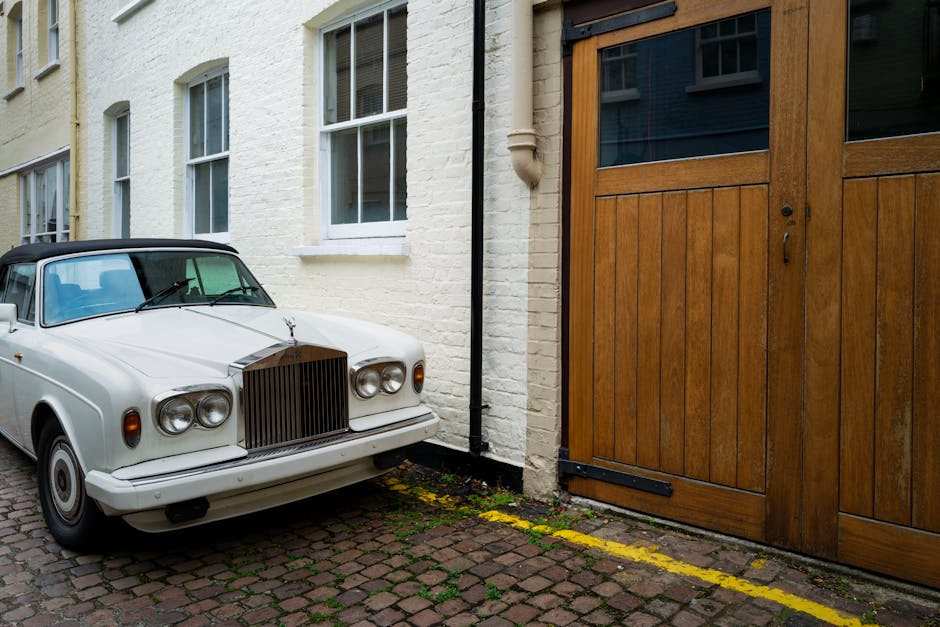
Imagine a two-bedroom mews flat just off Gloucester Road. The building entrance is set back slightly from the street, the stairwell turns sharply at the first landing, and the parking space nearest the property is often occupied. Nothing impossible. Just fiddly.
The first issue is the sofa. It is technically a standard piece, but once measured with wrapping, it needs a careful angle to clear the stair turn. The second issue is a wardrobe that may or may not come apart cleanly. The third issue is timing: a neighbour needs access to a shared gate around the same hour. Suddenly the move is not about boxes at all. It is about sequence.
In a case like that, the smartest approach is usually to:
- confirm the route before move day;
- dismantle the wardrobe in advance;
- pre-wrap the sofa and protect corners;
- arrange a smaller van position with more manual carrying;
- keep the entrance clear and communicate with neighbours early.
The result is usually calmer than people fear. Not effortless, not magical, just manageable. And manageable is a lovely word on moving day.
If your move has that same mix of access limits and timing pressure, a local planning guide such as South Kensington removals guide for Gloucester Road moves can be a good companion read.
Practical Checklist
Use this before booking and again the day before the move. It keeps the whole thing grounded.
- Measure the street approach, gate, doorway, stairs, and landings.
- Take photos of any tight corners, steep steps, or low ceilings.
- List all bulky items and note whether they can be dismantled.
- Choose a vehicle size that fits the street, not just the load.
- Check whether parking or stopping restrictions could delay loading.
- Pack heavy items into smaller boxes.
- Label boxes by room and priority.
- Protect floors, frames, and delicate surfaces.
- Make a clear plan for shared access and neighbour consideration.
- Keep a contact person available on move day.
Expert summary: the safest way to handle narrow access removals in Gloucester Road mews is to treat access as part of the inventory. Measure it, photograph it, plan for it, and choose the vehicle and crew around it. That simple shift prevents most of the usual problems before they start.
Conclusion
Narrow access removals common problems in Gloucester Road mews are usually manageable, but only when they are treated as a planning issue rather than a moving-day surprise. Tight streets, awkward staircases, shared entrances, and parking pressure are all part of the reality in this part of London. None of them are unusual. The trick is to respect them early.
When you measure properly, choose the right vehicle, pack sensibly, and keep the route clear, the move becomes much easier. Less rushing. Less second-guessing. Far fewer dents in walls and tempers. That alone is worth the effort.
If you are still comparing support options, explore the relevant service and advice pages, ask practical questions, and make sure the plan fits your property rather than forcing the property to fit the plan. That's really the whole game.
Get a free quote today and see how much you can save.
And once the last box is through that narrow doorway, take a breath. Moving is noisy, awkward work, but the new place has a way of making it all feel worth it in the end.