Removals advice for Earls Court flats and conversions
Posted on 07/05/2026
Removals advice for Earls Court flats and conversions: a practical guide for a smoother London move
If you are moving in Earls Court, you already know the property stock has its own personality. Basement flats, mansion blocks, Victorian conversions, tight stairwells, shared entrances, awkward parking, and lifts that seem to appear only when they feel like it. That is exactly why generic moving advice often falls short.
This guide brings together practical Removals advice for Earls Court flats and conversions so you can plan with a bit more confidence and a lot less last-minute chaos. Whether you are leaving a top-floor conversion with narrow stairs or moving into a compact flat near Cromwell Road, the right preparation can save time, protect your furniture, and reduce stress on moving day. Truth be told, the smallest details often matter most.
Below, you will find a clear breakdown of what makes these moves tricky, how professional removals usually work in this type of property, and the best ways to avoid common problems. There is also a checklist, comparison table, and a realistic example to help you picture the process properly.

Why Removals advice for Earls Court flats and conversions Matters
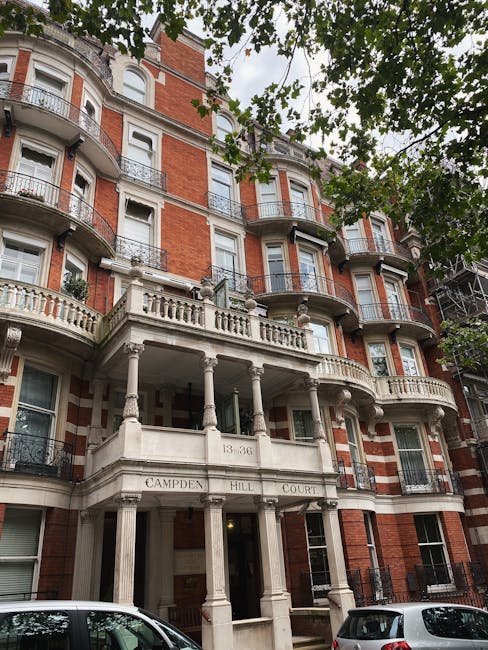
Earls Court is not a one-size-fits-all moving area. Many homes are period conversions split across multiple floors, and a lot of flats sit behind shared hallways, tight front doors, or staircases with awkward turns. That means a move that would be straightforward in a modern house can become complicated very quickly in a converted flat.
For one thing, access is often the real challenge, not the distance. A sofa that fits perfectly in your living room may not make it past a bend in the stairwell. A wardrobe may need partial dismantling. Even a simple washing machine can turn into a two-person, sweaty, mildly frustrating puzzle. And let's face it, nobody wants to discover that at 8:15 in the morning with a van waiting outside.
Good removals advice matters because it helps you plan around the property rather than against it. That includes checking entry points, booking the right size vehicle, understanding loading restrictions, protecting communal areas, and deciding whether you need packing support or temporary storage. If you are comparing providers, it is worth looking at a broader range of removal services in South Kensington too, because the same local expertise often translates well to Earls Court flats.
There is also a trust angle. In busy London postcodes, people do not just want a mover who can carry boxes. They want someone who understands building layouts, communicates clearly, and handles the job respectfully. That is especially true in conversions, where neighbours, shared hallways, and building rules can all affect the day.
How Removals advice for Earls Court flats and conversions Works
The process is usually simple on paper and a little more layered in practice. First, you assess the property type. Is it a ground-floor flat, a top-floor conversion, or a maisonette with internal stairs? Then you look at access: parking, loading space, lift availability, stair width, and whether any items need dismantling before they leave the property.
After that, the moving plan gets built around those realities. A professional mover may recommend a smaller vehicle for narrow streets, a longer time slot for a high-floor walk-up, or extra packing materials for delicate items. If your move is last-minute or tied to a completion date, a local provider offering same-day removals support can be useful, though availability is usually tighter than people expect.
In Earls Court conversions, the key is coordination. The best removals setup is rarely the fastest in theory; it is the one that fits the building and the route out. For example, if the front door opens directly onto a shared stairwell, moving the largest items first may be smarter than packing everything into the van in perfect room order. Small adjustment, big difference.
Some moves also benefit from a more tailored vehicle choice. A man with van option in South Kensington or a dedicated removal van service can suit smaller flat moves, while larger homes or multiple bulky items may need a fuller team. The right choice depends on access, volume, and how much lifting is involved.
Key Benefits and Practical Advantages
When you plan a flat move properly, you do not just reduce stress. You often reduce cost, damage risk, and time pressure too. That matters in Earls Court, where parking and access can quietly eat up the clock if nobody has thought ahead.
- Less damage risk: Measured packing and route planning help protect walls, bannisters, floors, and furniture.
- More accurate quoting: Clear details about stairs, lifts, and parking usually produce better estimates.
- Faster loading: A team that knows the route can work more efficiently, especially in conversions with awkward angles.
- Better neighbour relations: Minimising congestion and noise helps avoid complaints in shared buildings.
- Less disruption: A tidy plan reduces the number of little crises that tend to appear all at once.
There is a practical comfort to this too. When the move is handled well, you arrive at the new place with enough energy left to make tea, find the kettle, and breathe for a moment. That may sound small, but on moving day it is huge.
For readers comparing local options, it can help to review a trusted services overview and then narrow things down based on your property type. If your flat contains awkward furniture or specialist items, services like furniture removals or even piano removals may be relevant, even if you only need them for one heavy item.
Who This Is For and When It Makes Sense
This advice is especially useful for:
- tenants moving into or out of a converted flat
- homeowners selling or buying a period apartment
- landlords arranging a changeover between occupants
- students or young professionals in smaller rented flats
- families moving from compact London accommodation into a larger home
It also makes sense if you are in a building where access is not exactly forgiving. You know the type: the stairwell is just wide enough for a suitcase, the front door sits at an awkward angle, and the post room has seen better days. If that sounds familiar, you will probably benefit from a more detailed plan rather than a casual "we'll manage somehow" approach.
For renters, this advice is useful when you are balancing a tenancy deadline with a new start date. For buyers, it helps when completion timing is tight and you have to move quickly after exchange. If you are still at the property-search stage, a guide like property buying in Kensington can give useful local context, especially if you are considering older conversion stock.
And if you are still exploring the area more broadly, Kensington living recommendations from locals is a nice companion read. It helps you understand the everyday rhythm of the neighbourhood, which is useful when you are planning a move around busy streets and shared spaces.
Step-by-Step Guidance
Here is a practical way to approach a flat or conversion move in Earls Court without losing the plot halfway through.
- Survey the property properly. Measure the main furniture, note stair turns, check ceiling height in hallways, and identify any tight corners. A quick look is not enough.
- Check access outside the building. Look at parking, loading restrictions, and whether the van can stop close enough to the entrance. In central London, this can be the difference between a calm job and a slow one.
- Decide what needs dismantling. Beds, tables, wardrobes, and some shelving units often move better in pieces. Keep the tools in one clearly labelled bag.
- Sort packing by room and priority. Pack essentials separately so you can find chargers, toiletries, bedding, and kettle items quickly later on.
- Protect delicate surfaces. In conversions, painted walls and narrow stair rails can mark easily. Use blankets, wrap, and corner protection where needed.
- Confirm arrival windows and building rules. If your building has lift bookings, concierge requirements, or quiet hours, make sure these are handled early.
- Plan the loading order. Put awkward or heavy items on first, then stack boxes around them. The right loading order saves time and reduces shuffling.
- Keep one essentials box with you. This should include documents, medication, valuables, phone charger, snacks, and anything you would be annoyed to lose for a day.
A small but useful tip: take photos before disassembling anything. A bedside table, a shelf unit, even a cable setup. Later, when you are trying to rebuild life in a new flat and the screws all look the same, those photos are oddly comforting.
If you are not sure what moving model suits your property, a local removals South Kensington provider can usually advise on whether a man-and-van setup, a larger crew, or a full packing service is the better fit.
Expert Tips for Better Results
These are the small things that tend to separate an average move from a genuinely smooth one.
- Measure the awkward items first. Sofas and wardrobes cause more trouble than the neat stack of boxes ever does.
- Use colour-coded labels. It sounds basic, but it saves time when everyone is tired and moving fast.
- Leave a clear walking route. In a flat conversion, clutter in the hallway can become a hazard very quickly.
- Protect floors near exits. Especially useful in older properties where hall flooring is more easily scuffed.
- Book the right support level. If you have only a few items, a smaller local service may be ideal; if you have full contents, go bigger and avoid false economy.
- Talk to neighbours early. A polite heads-up can reduce tension, especially if there may be brief noise or hallway congestion.
One more thing: do not overpack boxes. It is a classic mistake and, honestly, a bit of a trap. A box filled with books may seem tidy until you try to lift it down three flights of stairs. Then it feels like you have made an excellent decision in theory and a terrible one in reality.
For those wanting reassurance about how a provider works on the ground, it is sensible to look for clear policies around insurance and safety as well as practical support like packing and boxes. Those details matter more than flashy promises.
Common Mistakes to Avoid
Most moving problems in Earls Court flats are avoidable. The trouble is that people only realise that after the heavy lifting starts.
- Assuming access is simple. Narrow entrances, internal stairs, or resident-only parking can change the whole moving plan.
- Booking the wrong vehicle size. Too small means multiple trips; too large may be awkward or unnecessary for local streets.
- Ignoring dismantling time. Furniture that needs to come apart should be dealt with before moving day, not during it.
- Leaving packing to the last evening. It leads to rushed boxes, missing items, and that weird drawer of random cables nobody wants to sort.
- Forgetting building rules. Some conversions have shared stairwells, time limits, or access arrangements that need to be respected.
- Not checking insurance. If the item matters, the cover matters. Simple as that.
A more subtle mistake is underestimating how emotionally draining a move can be. Even when the logistics are fine, the day can feel long. You are hearing doors slam, someone is asking where the tape went, and the kettle is packed in the one box nobody can find. Keeping expectations realistic helps, a lot.
If you are comparing providers, reading about a local removal company in South Kensington can help you understand the sort of practical support you should expect. And if your move involves an unusual schedule, browsing pricing and quotes pages can make it easier to compare like with like.
Tools, Resources and Recommendations
You do not need a warehouse full of equipment to move well. But a few good tools can make a noticeable difference.
- Strong boxes: Use decent double-walled boxes for books, kitchenware, and fragile items.
- Packing tape and dispenser: Worth having more than you think. Tape always disappears when you need it most.
- Furniture blankets: Ideal for protecting wooden pieces, mirrors, and surfaces with easy-to-mark finishes.
- Bubble wrap or paper wrap: Useful for glassware and lamps.
- Labels and marker pens: Make the unpacking process far calmer.
- Basic toolkit: Screwdrivers, Allen keys, and a small hammer are often enough for day-one reassembly.
In terms of support, a move in Earls Court often benefits from a company that understands smaller London properties and can adapt the job rather than forcing a standard approach. If you need more hands for a flat, a man and van service or a slightly larger man and a van option may be a good middle ground.
There are also situations where temporary storage makes life easier. Maybe the new place is not ready. Maybe you are decluttering. Maybe the sofa simply cannot go in on day one because the room is not set up yet. In those moments, storage in South Kensington can take the pressure off and stop the move from becoming messy.
If sustainability matters to you, it is worth asking how unwanted items are handled. A responsible mover should be able to speak sensibly about reuse, recycling, and disposal. Their recycling and sustainability approach can be a useful indicator of how they work more broadly.
Law, Compliance, Standards, or Best Practice
Moving house is not a heavily regulated niche in the way some industries are, but there are still important standards and duties to pay attention to. The basics are straightforward: property access should be handled safely, goods should be moved responsibly, and any service provider should be clear about what is included, what is excluded, and how claims or complaints are handled.
For flats and conversions, best practice usually includes:
- respecting communal areas and shared access points
- checking parking and loading permissions before the van arrives
- using appropriate lifting and carrying methods to reduce injury risk
- protecting furniture and the building fabric where possible
- having clear terms around timing, payment, and liability
It is also sensible to look at company documents that show how they operate, such as health and safety policy details, terms and conditions, and privacy policy. These pages may not be glamorous, but they do help build trust. So does a clear complaints procedure if anything goes wrong.
Payment security matters too, especially when quotes are being compared and deposits are involved. A transparent payment and security page is a good sign that a company has thought about the customer experience properly.
Options, Methods, or Comparison Table
Different moves need different approaches. Here is a straightforward comparison to help you judge what might suit your flat or conversion best.
| Option | Best for | Strengths | Watch-outs |
|---|---|---|---|
| Man and van | Small flat moves, a few rooms, lighter loads | Flexible, often cost-effective, good for tight access | May not suit large furniture loads or many trips |
| Full removals team | Larger flats, multiple bulky items, time-sensitive moves | More hands, faster loading, less physical strain on you | Usually more expensive than a smaller setup |
| Packing-inclusive service | Busy households, fragile belongings, short deadlines | Saves time and reduces packing errors | Needs early booking and clear item lists |
| Storage-assisted move | Delayed completions, decluttering, refurbishments | Useful buffer when dates do not line up | Requires extra coordination and may add cost |
If you are only moving a one-bed conversion with easy access, a smaller solution may be enough. If you have a staircase, a sofa, a desk, a bed frame, and a handful of fragile bits, a more complete service may actually be the calmer choice. Not always the cheapest on paper, but often the smarter one in practice.
For a broader look at moving support across the area, house removals in South Kensington is useful if your move is slightly bigger than a standard flat, while flat removals support is a more direct match for compact properties.
Case Study or Real-World Example
Imagine a couple moving out of a second-floor conversion in Earls Court. The flat has a narrow stairwell, one small landing, and no lift. Their biggest items are a double bed, a wardrobe, a sofa, a dining table, and about thirty boxes. Nothing extreme, but enough to be annoying if handled casually.
They start by measuring the sofa and wardrobe against the stair turns. The wardrobe will not go out fully assembled, so they dismantle it the evening before. They also book a morning slot so the lift-or in this case, the lack of one-does not clash with afternoon traffic. The van is parked as close as possible, and the route from flat to kerb is protected with blankets and careful lifting. No drama. Well, only the usual amount.
What made the move easier was not luck. It was preparation. The boxes were labelled by room, the loose screws were in one bag, and the essentials box was kept separate. By the time the last item was loaded, the flat looked like a place people had actually lived in, not a storm had passed through.
This is the point worth remembering: in conversions, the route matters as much as the destination. A bit of planning can save an hour, or three, and your back will thank you for it later.
Practical Checklist
Use this before moving day. It keeps things grounded when your head is full of dates, keys, and half-packed boxes.
- Measure large furniture and note any items that need dismantling
- Check stair width, doorway clearance, and landing turns
- Confirm parking or loading access near the building
- Ask about lift use, time restrictions, and building rules
- Pack an essentials box with chargers, documents, snacks, and toiletries
- Label boxes clearly by room and priority
- Set aside tools for reassembly
- Protect floors, corners, and fragile surfaces
- Confirm insurance, quotes, and payment details early
- Keep a contact number handy on the day
Expert summary: For Earls Court flats and conversions, the best removals plan is usually the one that respects access, timing, and building layout first. Once those are sorted, everything else gets easier.
Get a free quote today and see how much you can save.
Conclusion
Moving in Earls Court is rarely about brute force. It is about working with the property you have, not the property you wish you had. Once you understand the access, measure the awkward bits, and choose the right level of removals support, the whole process becomes more manageable.
That is really the heart of good Removals advice for Earls Court flats and conversions: think ahead, keep the plan practical, and leave enough room for the inevitable little surprises. There will probably be one. Maybe two. But they do not have to derail the move.
If you are preparing for a flat move in the area, take the time to compare service levels, read the support pages, and plan around your building rather than against it. It makes a bigger difference than people expect, and often the day ends with a proper sigh of relief. Which, to be fair, is exactly what you want.
And once the boxes are stacked, the kettle is on, and the front door finally closes behind the last van trip, it all feels a bit easier. That first quiet moment in the new place matters more than you think.