Office Removals in South Kensington
If you are planning office removals in South Kensington, you are likely balancing a busy schedule, tight building access, valuable equipment, and the need to keep disruption to a minimum. South Kensington is a distinctive part of London, home to elegant office spaces, professional practices, boutique firms, and organisations that often operate from period properties, converted townhouses, and mixed-use buildings. That means moving a workplace here calls for careful planning, local knowledge, and a team that understands the area’s practical realities.
Whether you are relocating a small consultancy near the museums, moving a growing team from a shared workspace, or transitioning a professional practice into a larger commercial unit, the right service should make the process feel organised and manageable. A good local office removals team can help with packing, furniture disassembly, secure transport, and setting things up at the new premises so your business can get back to work quickly.
South Kensington also brings specific challenges that matter on moving day. There may be narrow streets, controlled access, basement or upper-floor offices, timed loading restrictions, lifts that are shared with other tenants, and parking limitations that require advance planning. Choosing a removal service that is familiar with the area can make a real difference to the overall experience.

Why local office removals matter in South Kensington
Moving an office is never just about carrying boxes from one place to another. It is about protecting business continuity, handling equipment safely, and making sure staff can resume work without unnecessary delays. In South Kensington, those priorities become even more important because of the area’s mix of high-value commercial spaces, residential conversion buildings, and busy local streets.
A local team offering South Kensington office removals is usually better prepared for the realities of the district. They are more likely to understand how to manage loading near busy roads, how to work around concierge or building management rules, and how to handle access for offices in older buildings that were never designed for modern removal vehicles or large furniture items.
For many businesses, local knowledge also improves timing. A move arranged with attention to local traffic patterns, delivery windows, and building access rules tends to be smoother and less stressful than one planned with a one-size-fits-all approach.

Types of office moves we can help with
Every business move is different. Some clients need a straightforward relocation with desks, chairs, and filing cabinets; others require a more detailed plan involving IT equipment, sensitive documents, specialist furniture, or coordination across several floors. Office removals in South Kensington often involve a mixture of these needs, especially where businesses operate from elegant period premises or share buildings with other occupants.
Typical office moves in the area include:
- Small office relocations for consultancies, agencies, and start-ups
- Professional practice moves for accountants, solicitors, architects, and similar firms
- Commercial relocations for growing teams moving to larger premises
- Internal office moves within the same building or between floors
- Furniture-only removals when desks, storage, or meeting room items need transporting
- IT and equipment moves requiring added care and sequencing
- Archive and document transfers for offices with secure storage needs
Some businesses only want help with the heavy lifting, while others prefer a full service that includes packing, labelling, dismantling, transport, and unloading. The best option depends on your timetable, the nature of your business, and how much disruption you can afford during the move.
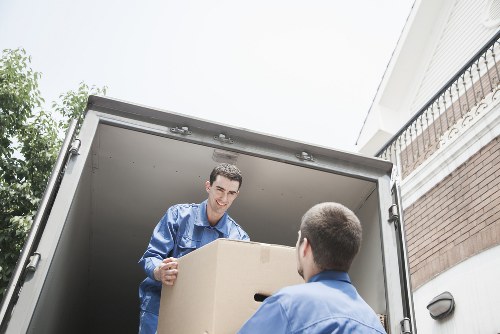
What is included in a professional office removals service?
A proper office removals service should go beyond basic transport. The aim is to help you move your workplace in a way that is organised, secure, and efficient. When arranged well, the service reduces pressure on your staff and lowers the risk of items being damaged or misplaced.
Services often included are:
- Pre-move planning and scheduling
- Packing assistance for office contents
- Labelling systems to support room-by-room placement
- Disassembly and reassembly of desks, meeting tables, and shelving
- Careful handling of monitors, printers, and office electronics
- Secure loading and transport
- Unloading and placement at the new site
- Optional move support for filing, storage, and archive materials
Many firms also ask for support with after-hours office removals or weekend moves, especially if they want to reduce downtime during working hours. For businesses in South Kensington, this can be especially useful when office space is in a shared building or situated on a busy road where daytime access is more difficult.
Some moves also need special attention to fragile items, artwork, presentation equipment, or client-facing furniture. A flexible team can adapt the removal plan to match the contents and the building layout.

South Kensington access and parking challenges
One of the biggest reasons businesses look for office removals South Kensington support is the practical challenge of moving in this part of London. The area is known for attractive streets and prestigious properties, but those same features can create difficulties on moving day.
Common local challenges include:
- Narrow roads and limited stopping space
- Controlled parking or loading restrictions
- Shared entrances in converted buildings
- Upper-floor offices with lift limitations
- Basement premises with awkward stair access
- Busy surrounding routes that can slow vehicle access
- Building management rules for timing, lift use, and goods access
Nearby areas such as Kensington, Knightsbridge, Chelsea, Earl’s Court, West Brompton, and Fulham can present similar issues, especially where offices are located in mixed-use streets or period properties. This is why local planning matters so much. The removal team should factor in access points, vehicle size, route timing, and the need to keep disruption to neighbouring businesses and residents to a minimum.
A thoughtful approach can prevent delays and avoid unnecessary stress. If your building has a loading bay, concierge, or strict time slot, make sure these details are built into the moving plan from the start.

How our office removals process works
When businesses enquire about office removals in South Kensington, they usually want a clear process that helps them plan around work commitments and deadlines. A structured move typically follows a few straightforward stages.
1. Initial discussion and move assessment
The first step is to understand your office size, contents, access points, preferred moving date, and any items that need specialist handling. This stage helps identify the right number of movers, vehicle requirements, and likely timing.
2. Planning and preparation
Once the scope is clear, the move can be scheduled with consideration for building access, lift bookings, parking arrangements, and any internal timetable your business needs to follow. If the move must happen outside normal hours, that can be planned in advance.
3. Packing and labelling
Some clients want a full packing service, while others prefer to pack smaller personal items themselves and leave furniture or equipment to the removal team. Clear labels make it easier to place items correctly at the destination and reduce confusion on arrival.
4. Dismantling and protection
Desks, meeting tables, storage units, and certain office fixtures may need to be dismantled before transport. Protective materials are often used for items that could be scratched or damaged in transit.
5. Moving day transport
On the day itself, careful loading and secure transport are essential. A professional crew will work methodically to keep items protected and ensure the removal is completed in an organised order.
6. Delivery, unloading, and placement
At the new office, items are unloaded and placed in the relevant rooms or zones where possible. This can help your team get back to work faster and reduce the clutter that often follows a move.
Why businesses choose a local South Kensington team
There are plenty of reasons to choose a local company for South Kensington office removals. A nearby team is often easier to schedule, more responsive to access constraints, and better prepared for the style of buildings common in the area. That local experience can be especially valuable if your office is in a converted townhouse, a heritage property, a managed block, or a shared commercial premises.
Local advantages can include:
- Better familiarity with local roads and access points
- More realistic timing for loading and unloading
- Awareness of common building restrictions
- Easier coordination for short-notice changes
- Knowledge of nearby business districts and neighbouring streets
For businesses operating in South Kensington, the surrounding environment matters. Many offices need to work around nearby institutions, residential neighbours, visitor traffic, and a high level of daily movement. A team used to the area can help keep the relocation efficient and respectful of those conditions.
It is also reassuring to work with movers who understand that office removals are not just physical tasks; they are time-sensitive business operations. A local team should focus on punctuality, clear communication, and a practical approach that supports your schedule.
What kinds of items are commonly moved?
Office removals can involve much more than desks and chairs. South Kensington offices often contain a mix of standard workstations, client meeting furniture, technical equipment, archives, and specialised items that need careful handling.
Common items include:
- Desks, chairs, and conference tables
- Filing cabinets and storage units
- Monitors, computers, printers, and peripherals
- Telephone equipment and small office electronics
- Archive boxes and records
- Reception furniture and visitor seating
- Artwork, display items, and decorative pieces
- Kitchen or staff room furniture
If your office includes heavier or more awkward items, such as large modular furniture or specialist fixtures, mention this early in the process. It helps the removal team plan the right equipment and the right number of people for the job.
Careful handling is especially important where items have both practical and visual value. Many South Kensington workplaces want their office to arrive looking professional from day one, not just physically intact.
Preparing for your office move
A successful move starts well before the vehicle arrives. A little preparation can make office removals in South Kensington noticeably smoother, particularly if your workplace is busy, space is limited, or access windows are tight.
Useful preparation steps include:
- Confirm the move date and preferred arrival window.
- Check building rules for lifts, loading bays, and access passes.
- Notify staff of packing instructions and deadlines.
- Back up digital files and secure important documents.
- Label items clearly by department, floor, or room.
- Set aside essential items for first-day use at the new office.
- Measure doors, stairways, and lifts for larger furniture.
- Identify anything fragile or high-value that needs extra care.
You may also want to nominate one person from your team to coordinate with the movers on the day. Having a single point of contact can reduce confusion and speed up decisions when questions arise.
Pricing factors for office removals
Customers often want to know what affects the cost of office removals in South Kensington. While exact prices are not usually possible without assessing the move, the main factors are generally easy to understand.
Typical pricing factors include:
- The size of the office and volume of items
- Distance between the current and new premises
- Access conditions at both addresses
- Whether packing and unpacking are required
- Need for dismantling and reassembly
- Special handling for fragile or bulky items
- Timing, such as weekends or out-of-hours work
- Any storage or staged move requirements
It is usually best to request a tailored quote rather than relying on assumptions. A detailed quote should reflect your actual move rather than a generic estimate. That means you can compare services more fairly and choose a setup that suits your business needs.
If you are trying to keep spending under control, ask whether the move can be phased. For example, non-essential furniture might be relocated first, while priority workstations and equipment are moved last to reduce downtime.
How to reduce downtime during a move
Minimising disruption is one of the biggest concerns for any business arranging office removals. In South Kensington, where offices may be client-facing or operate on tight schedules, reducing downtime is especially important.
Practical ways to keep disruption low:
- Move outside standard business hours where possible
- Pack and label by department or workstation
- Disconnect and prepare IT systems in advance
- Move essential teams first so they can resume work quickly
- Use a floor plan at the new office for faster placement
- Keep key files and devices separate for immediate access
A well-timed move can save hours of confusion on arrival. It also helps staff settle into the new space more quickly, which is especially useful if the relocation is part of a wider office change or business expansion.
For businesses with regular client appointments, think carefully about the move schedule. A good removal plan can prevent the office from feeling unavailable for longer than necessary.
Residential-style offices, shared spaces, and mixed-use buildings
South Kensington has a broad mix of property types. Not all offices are in large commercial buildings. Some are located in converted flats, upper-floor rooms, mansion blocks, or shared premises with residential neighbours nearby. These settings call for a respectful and well-managed removals approach.
Where offices are in mixed-use buildings, the removal team may need to coordinate carefully with building management and be mindful of noise, corridor use, and common areas. In smaller premises, protection for walls, floors, and entrances may also be important.
That is one reason a local service is valuable: the team is more likely to expect these conditions and adapt accordingly. Office removals South Kensington should feel organised even when the building itself is less straightforward than a modern commercial unit.
Areas covered around South Kensington
Many customers looking for office removals in South Kensington also need support in nearby districts. A local team should be able to cover surrounding business and residential-commercial areas without difficulty.
Common nearby areas include:
- Kensington
- Knightsbridge
- Chelsea
- Earl’s Court
- West Brompton
- Fulham
- Brompton
- Gloucester Road area
If your current office and new premises are both within the local area, that can make planning simpler and improve turnaround time. Even so, every building should still be checked for access, parking, and loading rules before the move date.
Frequently asked questions
How far in advance should I book office removals?
It is usually best to book as early as possible, especially if you need a specific date, weekend move, or out-of-hours service. More notice also helps with access checks and building coordination.
Can you move offices with sensitive documents?
Yes, many office moves involve files, records, and confidential paperwork. These should be packed, labelled, and transported carefully so they stay organised and secure.
Do you help with dismantling furniture?
Professional office removals normally include help with dismantling and reassembly of suitable furniture items, such as desks and tables. It is a good idea to mention any modular or specialist furniture in advance.
Can office removals be done outside working hours?
Yes, many businesses prefer evenings or weekends to avoid interrupting staff and clients. This is often a smart option in South Kensington, where access and parking can be tighter during the day.
What should we do with IT equipment?
IT items should be backed up, disconnected properly, and handled with care. If your office has servers, large monitors, or a lot of cabling, mention this during planning so the move can be sequenced correctly.
Do you move small offices as well as larger ones?
Absolutely. Small offices, shared workspaces, and compact professional practices are very common in South Kensington, and they often benefit from the same careful planning as larger commercial relocations.
Why choose our office removals service
When you are comparing office removals in South Kensington, look for a service that is practical, responsive, and focused on your business needs. The right team should make the move feel structured from the first conversation through to unloading at the new premises.
Customers often value:
- Clear planning and communication
- Careful handling of office contents
- Experience with local access constraints
- Flexibility around moving times
- Support for packing, dismantling, and placement
A good removals team should understand that every hour matters during a business move. They should also appreciate the importance of presenting a professional face to staff, clients, and neighbouring premises throughout the process.
If you need a South Kensington office removal arranged with less stress and more control, a local team can help you take the next step with confidence.
Get your office move started
Whether you are moving a small team, relocating a professional practice, or planning a larger commercial change, now is the right time to arrange the details. Office removals in South Kensington work best when there is a clear plan, realistic timing, and a team that understands the area.
From careful packing to secure transport and efficient unloading, the right service can help you move with less disruption and more certainty. If you are preparing for an office relocation, contact us today to discuss your requirements, request a free quote, or book your service now.
For businesses in South Kensington, a well-managed move is not just convenient — it is a smart way to protect your time, equipment, and day-to-day operations.